Start With a Framework That Puts Risk in Check
Navigate Your First Automation Project With Confidence

Experienced integrator? Learn how we support complex automation here.
Why Automation, and Why Now?
Why Investing in Automation is Essential
Even small automation steps can make a big difference. The challenge is not “Should we automate?” It’s how to do it in a way that doesn’t blow up your budget, your schedule, or your credibility. That’s where collaborative design and a clear process come in, and that’s exactly what this eGuide is about. The right project can:
Improve throughput without adding headcount
Reduce strain and safety risks for your team
Stabilize quality when labor is tight or turnover is high
Make your process easier to scale when demand grows

first time automation
How Cardinal Machine Helps You De-Risk Your First Automation Project
At Cardinal, we’ve seen what happens when automation is rushed or underspecified. Projects that technically ‘work’ but don’t really solve the problem on the floor. We built this collaborative design process to give teams, especially those new to automation, a safer, clearer way forward.
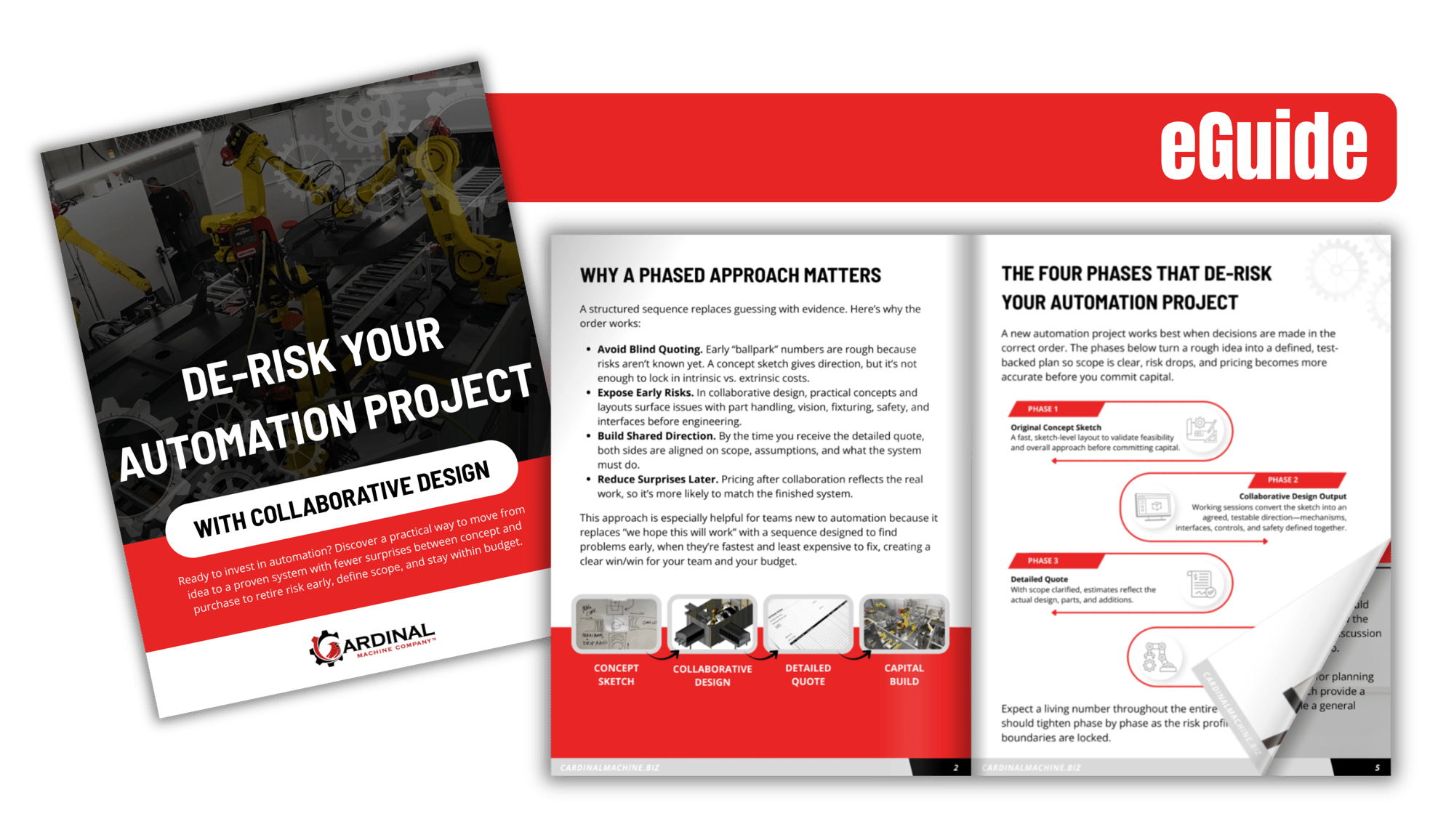
The eGuide goes into detail, but here’s a high-level look at the four phases Cardinal uses to de-risk automation, especially for teams doing this for the first time.
Our Proven four Phase Process
the four phases to a successful build
Planning your first automation project doesn’t have to be complicated. We break it into four clear phases that move you from “idea” to a proven, production-ready system. Use the overview below as a roadmap, then explore each phase in more detail to see how we help you avoid surprises at every step.

See The Big Picture Before You invest
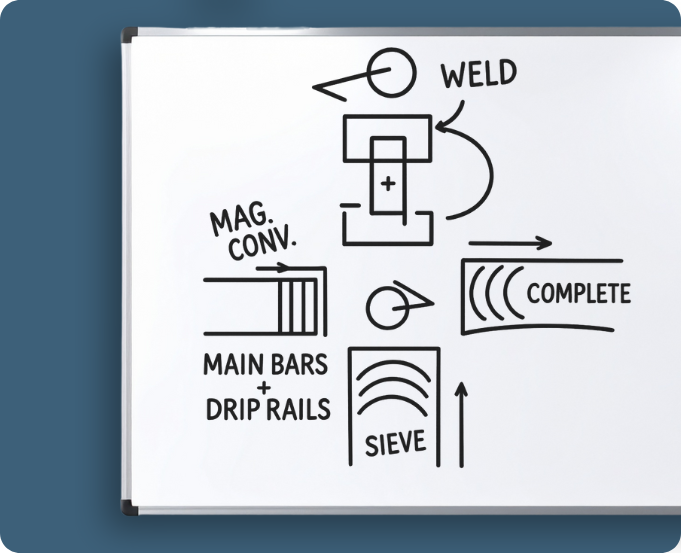
Original Concept Sketch
Before you commit serious capital, you need more than a rough idea. A concept sketch and budgetary estimate help you move from “we should automate something” to a clear, realistic view of what the project could look like, what it might cost, and whether it’s truly feasible.
At Cardinal, we start with discovery—your parts, process, bottlenecks, mix, volumes, changeovers, and ergonomics. From there, we develop a simple concept and budgetary estimate grounded in your reality, giving you a solid basis for deciding if and how to move forward.


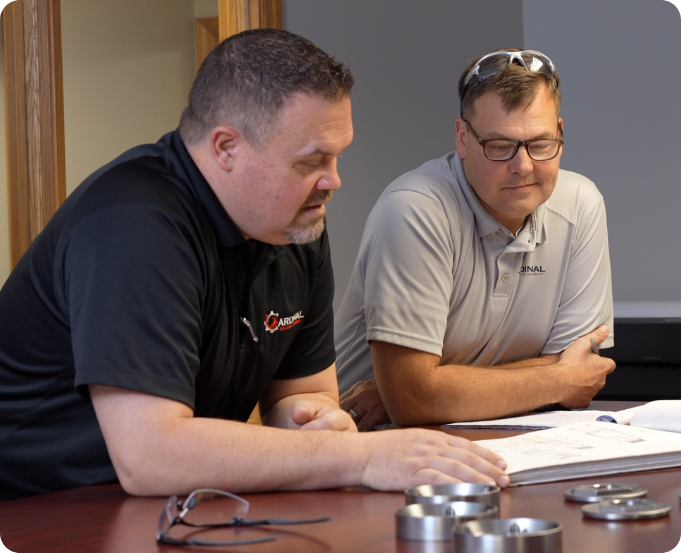
Work alongsige Experienced Engineers
Collaborative Design
Most automation projects jump from a rough idea straight to a quote, skipping a true collaborative design phase. That’s usually where risk sneaks in. Taking the time to work with actual parts, test worst-case scenarios, and iterate on layout and flow together is what turns a “best guess” into a design that fits your process.
At Cardinal, we build that often-overlooked step into our process on purpose. With a small design purchase order, our engineers work directly with your parts and process, run targeted trials, push the limits with worst-case conditions, and develop a detailed layout grounded in evidence, not assumptions.
Get Realistic Numbers, Not Guesswork
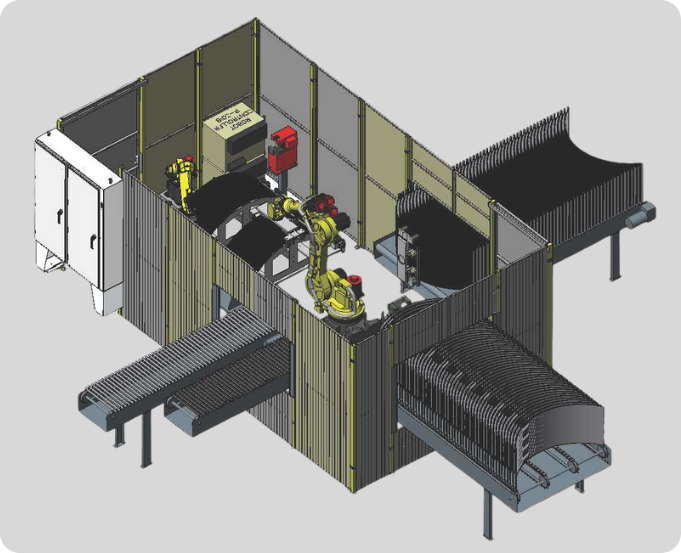
Detailed order Quote
See how a structured front-end leads to a detailed quote with real numbers, clear scope, and documented assumptions. You’ll understand what should be defined up front to avoid risks and setbacks later.
Because the design work at Cardinal is well thought out, we can deliver a detailed quote that spells out the scope, specified components, and key assumptions. That means fewer surprises, fewer change orders, and more confidence for you and your leadership team.


Know What Happens After You Say “Yes”
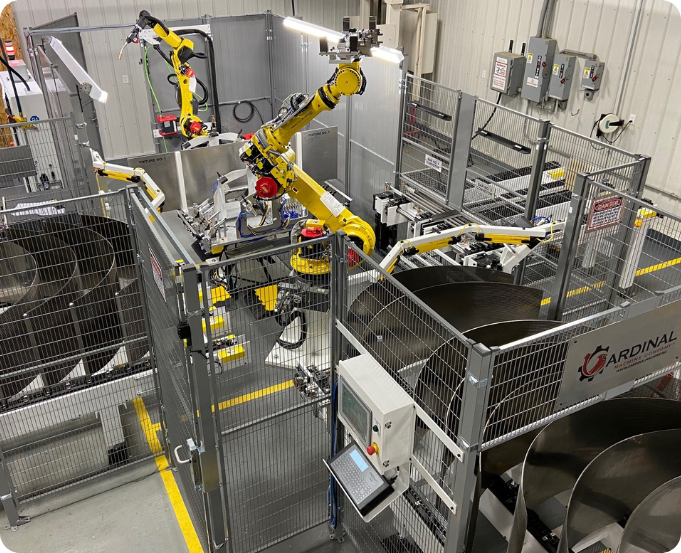
Capital Build Output
The guide outlines what to expect as your project moves into build, testing, and install—and how clear acceptance criteria protect you and set your project up to run the way you need it to on your plant floor.
At Cardinal, we engineer, build, and test the system to the expectations we defined together, then support you through install, start-up, and beyond. The result is a solution that fits your process, and a team that’s still there after the equipment is in production.
Small Team. Big Impact.
Why Work With Cardinal on Your First Automation Project?
Immediate response to All of your important questions
You can talk directly with engineers.
Clear, plain-language communication
Stay informed about trade-offs, risks, and options.
Consistently work with a single, accountable partner
One source guiding you from concept to install.
Faster turnaround with project completion
Because important decisions aren’t lost in layers.
From First-Time Buyers to Seasoned Integrators
Trusted by Manufacturers of All Sizes
Smaller regional manufacturers and major OEMs alike trust Cardinal to help them design and build automation that actually works on their floor.

download for free today
Be confident in your next investment.
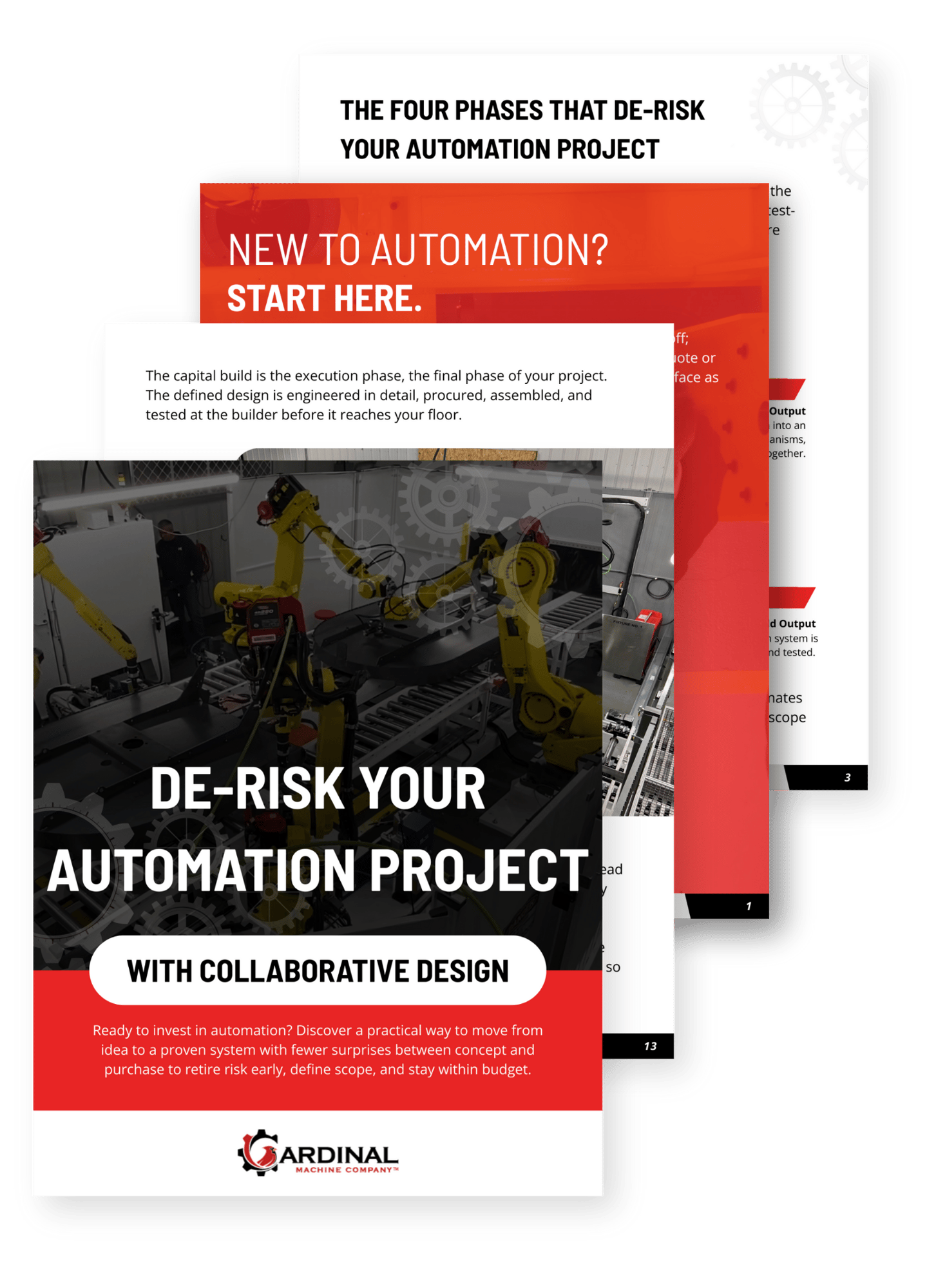
You don’t need to be an automation expert to make a good decision, you just need a clear plan. This eGuide walks you through the four phases of a de-risked project, explains the key terms in plain language, and shows you what to expect when you work with the right partner.

.png)
Robotics & Technology Partnerships
Modern Automation, Built on Proven Platforms
Being new to automation doesn’t mean settling for outdated technology. Cardinal designs and builds systems using industry-leading robotics and automation platforms, including FANUC and Flexiv.
You get the confidence of working with proven technology, without losing the personal, responsive experience of a smaller integrator.
Frequently Asked Questions
New to Automation? Start With Answers.
We’ve supported many first-time automation projects, and the same questions tend to resurface. If you have others, don’t hesitate to contact us for more information.
What is industrial automation and how can it help my business?
Industrial automation uses technologies such as custom machines, robots, and software to automate or partially automate tasks normally performed by humans. The goal is to speed up production while minimizing errors.
What challenges can industrial automation solve (and what problems is it best suited for)?
Automation excels at addressing many key challenges. Some examples include:
- Repetitive tasks
- High-precision tasks where consistency and accuracy are critical
- Material handling where speed or volume may be too physically demanding for a human operator
- Process where, due to the product or environment, safety is a major concern
Ultimately, automation is ideal for any task that pushes beyond the practical limits of human capability
How do I choose the right automation system or solution for my application?
Selecting the right automation system or solution begins with clearly defining your processes and goals. Our collaborative design approach guides you through assessing your goals, mapping out your process, determining the required scale, integration level, and budget. By the end, you'll have a clear, practical, and fully buildable solution, ready to move forward.
What steps should I take to successfully implement an automation system?
Like most successful endeavors, proper planning is critical. Work with our team at Cardinal, and together we’ll take the time to define your goals and develop your process. Then, allow our experts to design, build, test, and finally, implement the solution at your facility.
What are the advantages and disadvantages of using automation or robotics?
Advantages include long-term cost savings, safety improvements, and consistency and efficiency; disadvantages may include higher initial cost, a learning curve for management and operators new to automation, and maintenance demands.
How does automation impact employees and labor within a plant?
Automation can displace some routine, repetitive tasks, but it also opens the door to higher-value technical and specialty roles on your line. It provides an excellent opportunity to expand your current workforce's expertise.
How do I evaluate automation partners or machine builders effectively?
Check their track records, review references, and see whether they have expertise in your industry. Good builders should be transparent and communicate well.
A great question to ask when looking for an automation partner is: "Give me an example of the last time you had a problem or failure, and how you corrected it?" How a builder addresses problems speaks to their character and integrity.
What types of industrial automation systems and technologies are available
When it comes to industrial automation systems and technologies, the sky is the limit. Technology is constantly evolving, and the goal is to stay aware of the latest options. But a general list would be PLCs, or PC based control systems, sensors for monitoring, robots for part handling, welding, and assembly, conveyors for moving goods, and SCADA systems for plant-wide tracking and oversight.
What should be considered when planning a custom machine build?
When planning a custom machine build, focus on process, specs, timelines, budget, material availability, and supplier reliability.
How much does automation cost (and what affects pricing)?
Costs of automation lines range from ten thousand for basic setups to millions for complex setups—factors like customization, scale, technology type, and add-ons drive the price tag.
Download the Guide and Plan With Confidence
Ready to Take the First Step Into Integrating Automation?
You don’t have to figure out automation alone, or risk your budget and reputation on a guessing game. This eGuide gives you a clear, structured way to plan your first project and understand what “good” looks like.